

How do you make stuffed animals? This fundamental question represents the gateway to understanding the fascinating world of custom plush manufacturing. The journey of creating personalized stuffed animals combines artistic vision with technical precision, resulting in unique creations that capture imagination and create lasting memories. Whether you’re an individual looking to create your own plush toy or a business exploring bulk orders for commercial purposes, mastering this process opens up endless creative possibilities. Let’s dive deep into every aspect of bringing custom plush toys to life.
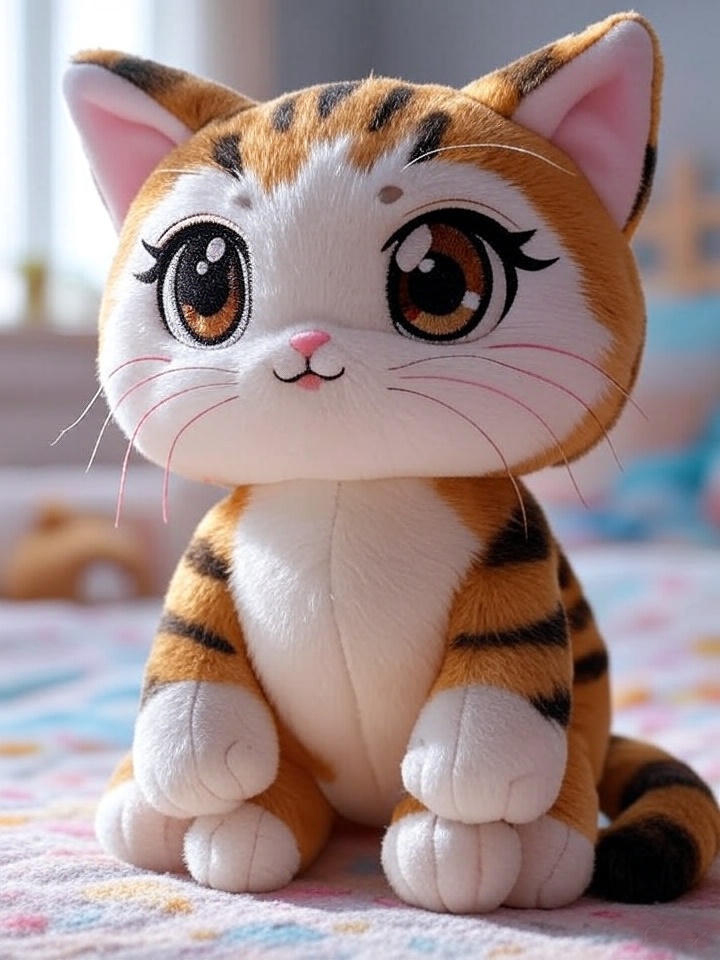
The creative process begins with conceptualization and design development. What will your custom plush toy represent? Perhaps you’re envisioning a custom pet plush that accurately captures your beloved companion’s unique features and personality. Maybe you’re designing an original character for a children’s book or developing a branded mascot for your company’s marketing campaigns. This initial phase requires careful consideration of the toy’s purpose, target audience, and emotional appeal. Comprehensive preparation is key – gather detailed reference materials including multiple photographs from various angles, character sketches, color palettes, and notes about personality traits. This foundation becomes crucial when communicating your vision to custom plush manufacturers or when undertaking the project independently. But how does one transform these two-dimensional concepts into three-dimensional reality? The answer lies in mastering the art of pattern making.
Pattern development stands as the technical foundation of successful plush toy prototyping. These patterns serve as the architectural blueprints for your stuffed animal, determining how flat fabric pieces will assemble into their final dimensional form. Creating effective patterns requires understanding spatial relationships, fabric characteristics, and manufacturing constraints. Essential considerations include seam allowance (typically ranging from 1/4 to 1/2 inch), ease of assembly, and how different materials will behave during stuffing and handling. Many creators benefit from utilizing professional plush toy design services offered by experienced custom plush manufacturers. These specialists possess the expertise to translate creative concepts into production-ready patterns, ensuring your design will function perfectly in its physical form. The pattern development phase often involves creating multiple iterations to refine proportions, optimize manufacturing efficiency, and perfect the overall aesthetic before proceeding to material selection.
Material selection represents where your creation truly begins to take physical form. The choices made during this stage will define both the visual appeal and tactile quality of your custom stuffed animal. The primary consideration involves fabric selection. Will you choose premium minky fabric for its exceptional softness and durability? Perhaps faux fur for creating realistic animal replicas? Maybe short-pile plush fabric for smooth-character designs or specialty materials like organic cotton for environmentally conscious projects? Each fabric type offers distinct characteristics in terms of texture, maintenance requirements, and manufacturing compatibility. Stuffing represents another critical decision point. Standard polyester fiberfill provides consistent performance with adjustable density, enabling creators to achieve anything from soft and cuddly to firm and structured results. Then comes the detailing phase – will you incorporate safety eyes for that classic toy appearance, or choose embroidered features for baby safe plushies? Do you require additional elements like clothing, accessories, or innovative sound modules for interactive functionality? Each material decision contributes significantly to the final character, quality, and safety of your custom plush toy.
The prototyping phase marks the exciting transition from digital concepts to physical reality. This stage delivers the first tangible sample of your custom plush toy – a crucial milestone in the creation process. Conduct thorough evaluation of every prototype aspect. Does it align with your original vision? Are color representations accurate? Is stitching quality consistent throughout? Does the toy feel appropriate when handled? This phase typically involves multiple refinement cycles. You might need to adjust proportions, modify embroidery details, or experiment with different stuffing techniques. The prototyping process ensures your final product will meet exact specifications and quality standards before committing to mass production. When collaborating with custom plush manufacturers for production runs, comprehensive sample approval becomes absolutely essential before advancing to manufacturing stages.
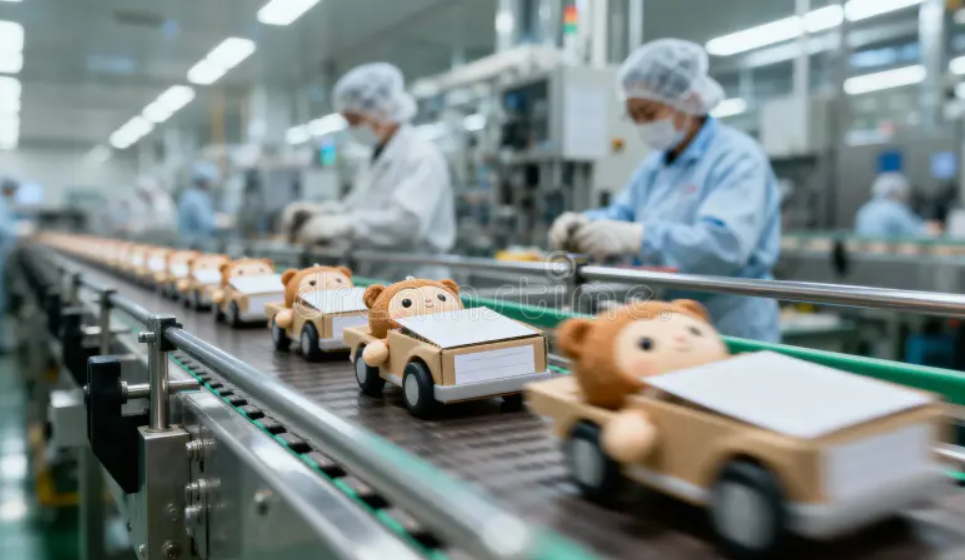
Following successful prototype approval, full-scale production commences. For significant quantities, this involves transitioning into mass production mode. The manufacturing process encompasses multiple coordinated phases: precision fabric cutting using approved patterns, assembly-line sewing by skilled technicians, systematic stuffing to maintain consistent density, and meticulous application of finishing touches. Throughout production, implement rigorous quality control protocols to ensure every stuffed animal meets established standards. Manufacturers must inspect stitching integrity, material consistency, color accuracy, and overall workmanship. Production timelines typically span several weeks to months, depending on design complexity and order volume. This phase demands patience but delivers the rewarding outcome of seeing your creative vision produced at scale.
The applications for custom plush toys continue expanding across diverse markets. Businesses increasingly leverage them as effective promotional products and branded merchandise that enhance customer engagement and loyalty. Content creators and influencers develop custom plush lines as meaningful merchandise for their communities. Families commission personalized gifts to commemorate special occasions or preserve cherished memories. The growing market demand reflects our innate connection to soft, comforting objects that convey stories and evoke positive emotions. Industry search trends demonstrate this sustained popularity, with queries like “custom plush manufacturer,” “create your own plush toy,” “personalized stuffed animals,” and “bespoke plush toys” maintaining consistent traction. Additional frequent searches include “plush toy design service,” “soft toy prototyping,” and “low MOQ custom plush factory” – reflecting the varied requirements of contemporary creators.
The future of custom plush manufacturing appears increasingly innovative and accessible. Sustainable material options are becoming more prevalent, with manufacturers introducing fabrics made from recycled materials and organic textiles. Technological integration continues advancing through augmented reality features and smart components that enhance interactive experiences. Manufacturing processes are evolving toward greater efficiency and accessibility, enabling smaller creators and businesses to participate meaningfully in the market. Learning how to make stuffed animals involves mastering this detailed creative and technical process. It represents the transformation of abstract ideas through skilled execution into comforting companions that bring joy to people globally. Whether creating individual personalized gifts or launching comprehensive product lines, the journey of bringing custom plush toys to life offers substantial creative fulfillment and commercial opportunity. The world consistently welcomes more unique, well-crafted plush creations – are you prepared to embark on your plush making journey today?
 English
  Chinese
  Arabic
  French
  German
  Spanish
  Japanese
  Korean
  Russian
  Portuguese
Recent Comments