

How do you make stuffed animals? This question represents the starting point for countless creative entrepreneurs and businesses entering the world of custom plush manufacturing. The journey of creating individuelle Plüschtiere combines artistic vision with practical production knowledge, transforming abstract concepts into market-ready products. Whether you’re planning to Gestalte dein eigenes Plüschtier as a passion project or preparing for Großaufträge as a business venture, understanding this comprehensive process is crucial for success.

The creative process begins with conceptualization and market research. What niche will your benutzerdefiniertes Plüschtier fill in the marketplace? Perhaps you’re developing a benutzerdefinierte Haustier Plüsch service for pet owners seeking keepsakes of their companions. Maybe you’re creating original characters for the growing collector’s market or designing a Markenmaskottchen for corporate clients. This initial phase requires thorough analysis of target demographics, competitive landscape, and production feasibility. Comprehensive planning involves creating detailed design briefs including market research data, consumer preference studies, manufacturing cost projections, and distribution strategies. This business foundation becomes essential when pitching to investors or negotiating with kundenspezifische Plüschhersteller. But how does one transform market research into manufacturable designs? The answer lies in strategic pattern development.
Pattern engineering forms the technical backbone of successful Prototyping von Plüschtieren for commercial production. These patterns are the manufacturing blueprints that determine production efficiency and final product quality. Developing production-ready patterns requires expertise in material optimization, manufacturing workflows, and quality control standards. Critical manufacturing considerations include standardized Nahtzugabe for assembly line efficiency, fabric yield optimization to minimize waste, and designing for scalable production. Most commercial creators utilize professional Designdienstleistungen für Plüschtiere offered by established kundenspezifische Plüschhersteller. These industrial design experts specialize in creating production-optimized patterns that maintain design integrity while maximizing manufacturing efficiency. The pattern development phase typically involves CAD modeling, virtual prototyping, and multiple sample iterations to achieve perfect production-ready specifications before committing to tooling and material procurement.
Commercial material selection requires balancing aesthetic goals with practical manufacturing constraints and cost considerations. The choices made during this phase directly impact production costs, retail pricing, and profit margins. Primary material decisions involve comprehensive fabric evaluation. Will you select commercial-grade Minky-Stoff for mass production consistency? Perhaps specialized Pelzimitat for premium product lines? Maybe import Plüschstoff for cost efficiency or certified organic materials for eco-conscious markets? Each textile option requires thorough testing for color fastness, durability, safety compliance, and manufacturing performance. Stuffing specifications must meet both comfort standards and production requirements. Industrial Polyester-Faserfüllung must maintain consistent density across production runs while meeting international safety standards. The commercial detailing phase involves sourcing decisions – will you use certified Sicherheitsaugen from regulated suppliers or invest in embroidery automation for Babysichere Plüschtiere? Do production plans include licensed accessories, packaging elements, or electronic Soundmodule for enhanced market appeal? Each material decision requires supplier vetting, quality assurance protocols, and cost-benefit analysis for your benutzerdefiniertes Plüschtier line.
The commercial prototyping phase serves as the crucial bridge between design and mass production. This stage produces pre-production samples for market testing, investor presentations, and manufacturing validation. Comprehensive prototype evaluation involves focus group testing, safety certification processes, and manufacturing feasibility analysis. This phase typically involves multiple revision cycles addressing production optimization, cost reduction, and quality improvement. The commercial prototyping process ensures market readiness and manufacturing viability before significant capital investment. When engaging kundenspezifische Plüschhersteller for production, rigorous sample approval processes include third-party testing, safety certification, and production line validation before greenlighting manufacturing.
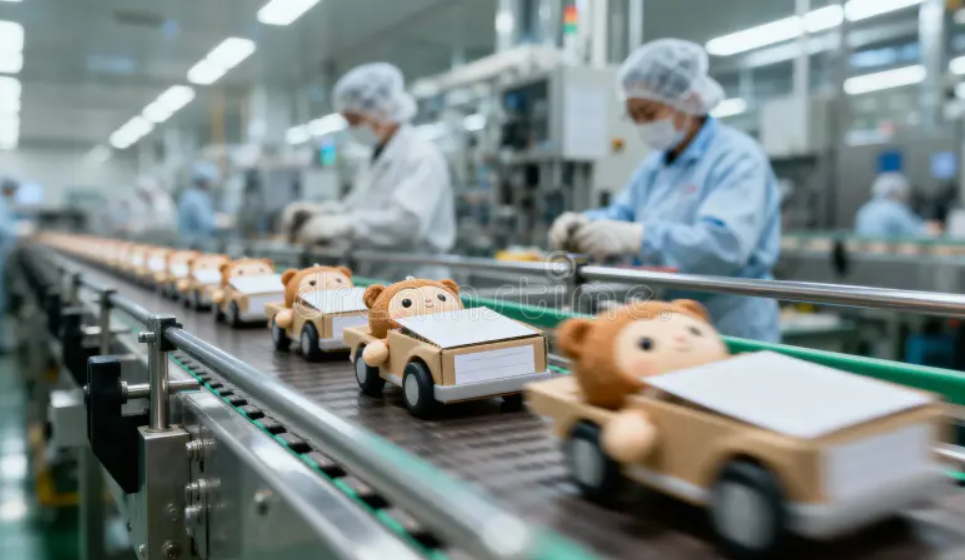
Following successful prototype certification, commercial production implementation begins. For market-ready quantities, this involves activating full Massenproduktion capabilities. The manufacturing process implements lean production principles including automated fabric cutting, assembly line optimization, quality control stations, and efficient packaging systems. Throughout production, comprehensive Qualitätskontrolle systems ensure every ausgestopftes Tier meets commercial standards through statistical process control, batch testing, and final inspection protocols. Production scheduling must align with market launch timelines, inventory requirements, and distribution logistics. This capital-intensive phase requires careful project management but delivers the commercial reward of market-ready products.
The market applications for individuelle Plüschtiere demonstrate significant business potential across multiple sectors. Retail businesses deploy them as high-margin Förderprodukte and exclusive Markenartikel driving customer loyalty and brand recognition. Entertainment companies and content creators develop licensed plush lines as premium merchandise generating substantial revenue streams. The personalisierte Geschenke market continues showing strong growth with premium pricing potential. Current market analytics show increasing demand for unique, story-driven plush products across demographic segments. Industry keyword analysis reveals strong commercial interest with search terms like “Hersteller von Plüsch,” “Gestalte dein eigenes Plüschtier,” “personalisierte Stofftiere,” und “maßgefertigte Plüschtiere” showing high commercial intent. Additional high-value searches include “Plüschtier-Designservice,” “Plüschtier-Prototyping,” und “niedrige MOQ benutzerdefinierte Plüsch Fabrik” indicating robust market demand across business segments.
The business future of Plüsch-Sonderanfertigung shows promising evolution toward technological integration and market diversification. Sustainable manufacturing practices are becoming competitive advantages with eco-friendly materials and transparent supply chains. Digital transformation continues with e-commerce integration, augmented reality packaging, and smart product features. Manufacturing accessibility improvements enable direct-to-consumer brands and niche market specialists to compete effectively. Mastering wie man ausgestopfte Tiere herstellt commercially involves understanding this complete business ecosystem from concept to consumer. It represents the business opportunity to transform creative ideas into profitable products that deliver emotional value. Whether building a personalisierte Geschenke startup or expanding established product lines, the business of creating individuelle Plüschtiere offers both creative fulfillment and financial reward. The global market consistently demonstrates appetite for innovative plush products – the entrepreneurial question remains: are you prepared to transform your plush making vision into commercial success?
 English
  Chinese
  Arabic
  French
  German
  Spanish
  Japanese
  Korean
  Russian
  Portuguese
Neueste Kommentare