

How do you make stuffed animals? This question represents the starting point of an incredible creative adventure that combines artistry with manufacturing excellence. The process of creating custom plush toys involves multiple stages of transformation, where simple ideas evolve into cherished companions. Whether you’re looking to create your own plush toy as a personal keepsake or planning bulk orders for business purposes, understanding this journey is essential for bringing your vision to life successfully.
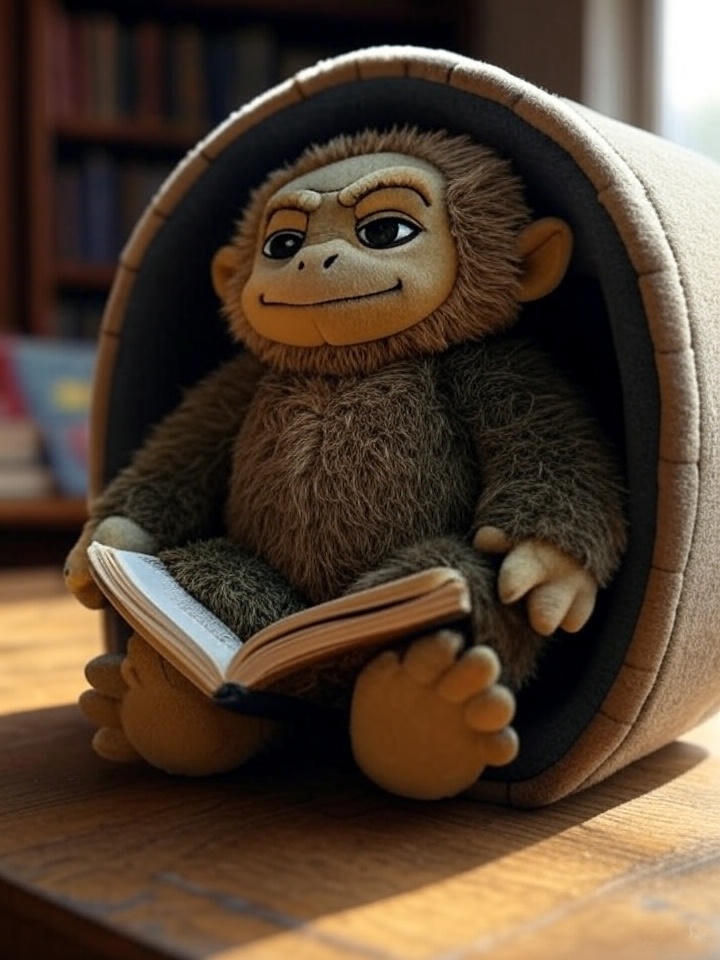
Every great creation begins with inspiration. What will your custom plush toy become? Maybe it’s a custom pet plush that captures the unique spirit of your furry friend, or perhaps it’s an original character from your imagination waiting to be born. For businesses, it might be a branded mascot that will become the face of your company. This initial creative phase requires deep thought about the toy’s purpose, who will love it, and what story it should tell. The preparation work is crucial – collect detailed references including photos from every angle, multiple sketches showing different expressions, exact color matches, and notes about personality traits. This foundation becomes your roadmap when working with custom plush manufacturers or when creating independently. But how does a flat drawing become a dimensional friend? The magic happens through pattern engineering.
Pattern creation forms the technical heart of plush toy prototyping. These patterns are the architectural plans that guide every cut and stitch of your stuffed animal. Developing successful patterns requires understanding how flat shapes become rounded forms, how different fabrics behave, and what manufacturing constraints exist. Key elements include proper seam allowance (usually 1/4 to 1/2 inch), production efficiency, and predicting how materials will respond to stuffing. Many creators benefit from professional plush toy design services provided by experienced custom plush manufacturers. These specialists know how to turn creative concepts into manufacturable designs that work perfectly in real life. The pattern phase often involves several revisions to get proportions just right, optimize for production, and ensure the final toy matches your vision before moving to materials.
Material selection is where personality meets reality. The choices here define how your custom stuffed animal will look and feel. First comes fabric selection. Will you choose soft minky fabric for ultimate cuddliness? Maybe faux fur for realistic animal friends? Perhaps smooth plush fabric for simple characters or eco-friendly options like organic cotton? Each material has unique qualities for texture, durability, and manufacturing. Stuffing is equally important. Standard polyester fiberfill allows control over firmness, from soft and floppy to firm and structured. Then come the details – will you use safety eyes for classic appeal or embroidered features for baby safe plushies? Do you need clothing, accessories, or sound modules for interactive fun? Every choice adds to your toy’s character and quality.
Prototyping brings the first tangible evidence of your creation. This stage delivers the initial sample of your custom plush toy – always an exciting moment. Examine everything carefully. Does it match your vision? Are colors correct? Is stitching consistent? Does it feel good to hold? This phase usually requires several rounds of improvements. You might adjust sizes, refine details, or test different stuffing methods. The prototyping process ensures your final product meets all standards before full production. When working with custom plush manufacturers for larger orders, thorough sample approval is essential before manufacturing begins.
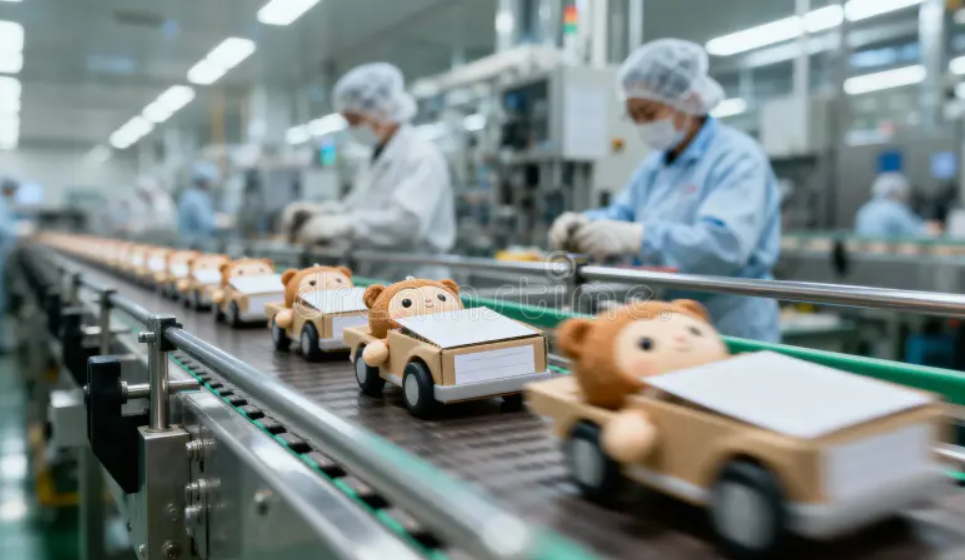
After prototype approval, full production starts. For larger quantities, this means mass production begins. The process includes precise fabric cutting, skilled sewing, consistent stuffing, and careful finishing. Throughout production, strict quality control ensures every stuffed animal meets your standards. Manufacturers check stitching quality, material consistency, color accuracy, and overall workmanship. Production time usually takes weeks to months, depending on design complexity and order size. This stage requires patience but rewards you with seeing your vision produced at scale.
The uses for custom plush toys keep growing across different markets. Businesses use them as effective promotional products and branded merchandise that build customer connections. Content creators make them as special merchandise for their audiences. Families order personalized gifts to celebrate moments and preserve memories. The growing demand shows our natural love for soft, comforting objects that tell stories and create happiness. Popular searches like “custom plush manufacturer,” “create your own plush toy,” “personalized stuffed animals,” and “bespoke plush toys” show this ongoing interest. Other common searches include “plush toy design service,” “soft toy prototyping,” and “low MOQ custom plush factory” – reflecting different creator needs.
The future of custom plush manufacturing looks bright with innovation and accessibility. Sustainable materials are becoming more available, with manufacturers offering fabrics from recycled sources and organic textiles. Technology brings new possibilities with augmented reality and smart features. Manufacturing processes are becoming more efficient, helping smaller creators join the market. Learning how to make stuffed animals means understanding this detailed creative process. It’s about turning ideas into real comfort objects that spread joy everywhere. Whether making special personalized gifts or building product lines, creating custom plush toys brings both creative satisfaction and business opportunity. The world always welcomes more unique, well-made plush friends – are you ready to start your plush making journey today?
 English
  Chinese
  Arabic
  French
  German
  Spanish
  Japanese
  Korean
  Russian
  Portuguese
Recent Comments